Zap de Apps is an independent mobile app comparison platform. We may earn a commission when you click through.
Dating App Myths That Waste Your Time
Anonymous ads, personality matching, and location tools work differently than the store pages suggest. Here is what actually matters.
The biggest dating-app myth is that more swipes automatically mean better matches. A crowded feed can still produce empty chats, mismatched intentions, and dates that never leave the app. The useful question is narrower: does the app make your preferred kind of connection easier?
The listings below point to seven common assumptions worth challenging. Some apps focus on personal ads, some on personality, some on people nearby, and some on international connections. None can manufacture chemistry, but the right structure can stop you wasting time in the wrong pool.
Myths About Matching and Intentions
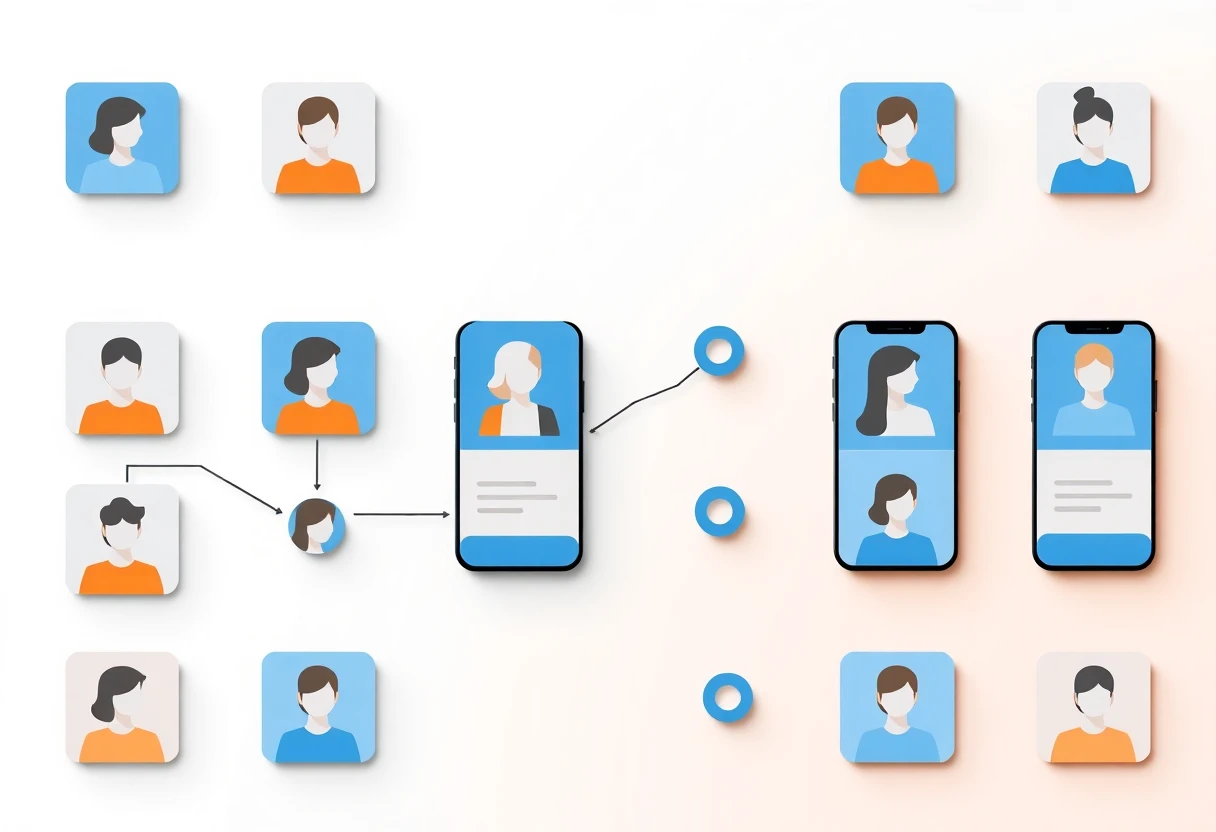
Dating apps do not all solve the same problem. A swipe-heavy service, an anonymous-ad platform, and a personality-led community ask you to behave differently from the first screen.
PURE Anonymous Dating & Chat
Myth: anonymous dating means vague intentions. PURE actually makes the personal ad the starting point, and users need to post an ad to see other people in the feed. That reverses the usual browse-first pattern and puts boundaries and intentions upfront. The limitation is obvious: you have to write something specific, and the app is aimed at curious, creative users rather than people seeking a conventional relationship directory. Best for adults who want direct conversations, clear boundaries, and more control over what they disclose before matching.

Boo Dating App
Myth: personality matching removes the need for photos or conversation. Boo describes itself as a personality dating app for people seeking dates, friends, or both, which gives it a broader social angle than PURE. Its pitch is compatibility based on who you are, not only how you look, but the store description does not provide a price or explain how much of the matching system is available for free. The iPhone listing shows a 4.6 rating from 499 ratings, useful evidence of interest but not proof that every match will feel meaningful. Best for adults who want personality-led discovery and may be open to friendship as well as dating.

tantan
Myth: a global dating app is only useful for long-distance flirting. tantan says it prioritizes nearby users while also positioning itself as a global service, so its practical value depends heavily on the size and activity of the local pool. The app also frames itself around shared interests and genuine interactions rather than endless swiping, although the listing gives no verified pricing or match-rate data. Compared with Boo, it leans more toward location and real-world proximity. Best for adults who want nearby matches but are also comfortable meeting people from an international community.

happn
Myth: location-based dating automatically means better dates. happn is built around real-life proximity and is listed as iPhone-only, with a 4.6 rating from 113 ratings in the Uzbekistan App Store listing. That local-context idea can make an opening message feel less random, but it also means the app is most useful in places where enough people use it. Unlike tantan, it does not give Android users a route in through the supplied listing. Best for iPhone owners in dense areas who want matches connected to their everyday geography, not a worldwide catalogue.

LOVOO
Myth: one dating mode fits every social goal. LOVOO presents itself as a way to meet singles, make friends, plan dates, and discover different forms of love, with safety included in its store positioning. That breadth is useful if your goal is still taking shape, but it can also make the experience feel less focused than PURE's intention-first model or happn's proximity model. The listing does not provide a price, rating, or platform comparison, so the case for downloading it rests on its range of connection formats rather than verified performance data. Best for adults who want dating, friendship, and date-planning tools in one app and do not want a narrowly defined matching lane.

Five myths down, one pattern is already visible: the app's matching philosophy matters more than its category label. A service that asks for a personal ad is not interchangeable with one built around personality or proximity. The next myth concerns age and relationship intent.

Myths About Age and Serious Dating
Older users are not automatically looking for the same thing as younger swipers. The listings give one app a clearer age signal than most, and that detail changes how you should judge its audience.
Kismia
Myth: apps aimed at local singles are mainly for casual dating. Kismia says its audience is largely men and women aged 30 and over who are looking for a relationship, and it claims an average of 10,000 matches made daily. Those are provider claims, not independently verified results, and the listing also says the service has more than 100 million users without supplying a geographic breakdown. Still, the age and relationship positioning is more concrete than the generic promise of meaningful connections found elsewhere. Best for adults over 30 who want local relationship-minded matches and prefer a clearly stated audience over a vague social feed.

The Bumpy listing is an iPhone App Store entry, while Kismia's supplied listing is for Android. That platform split matters more than most dating roundups admit: the best match pool is useless if your device cannot access it. Store ratings are also directional, not a substitute for checking moderation, privacy controls, and recent reviews before sharing personal details.
Myths About Chat Tools and App Success
A match is not a conversation, and a conversation is not compatibility. The final myth is about the part many users blame on the app: what to say next.
EQkey Dating Chat Keyboard
Myth: a better opening line fixes a weak match. EQkey is a dating and relationship keyboard that generates editable reply options, warmer or flirtier drafts, and conversation starters inside the apps where you already chat. That can help someone who freezes over wording, but it cannot verify whether the other person is genuine or make a low-effort match suddenly compatible. The important privacy question is what permissions a keyboard requests; the supplied listing does not state them, so review access settings before installation. Best for adults who already use dating apps, understand that generated text should be edited, and need help getting past the first few messages.

EQkey exposes the uncomfortable truth behind many dating-app complaints: users often need better filtering and clearer intentions, not more polished lines. Use a writing aid sparingly, keep your voice recognizable, and move toward a short video call or public meeting before treating a chat as trust.
What Actually Matters
Choose the matching model before the brand. PURE makes you state your intentions through a personal ad. Boo emphasizes personality and supports dating or friendship. tantan combines nearby discovery with a global audience. happn is built around real-life proximity but is iPhone-only in the supplied listing. LOVOO spreads across dating, friendship, and planning. Kismia gives the clearest 30-plus relationship signal. Bumpy broadens the conversation internationally. EQkey helps with wording, not compatibility.
For direct, boundary-led conversations, start with PURE. For personality and friendship, Boo is the more natural experiment. Adults over 30 seeking relationship-focused local matches should inspect Kismia's audience claims closely. iPhone users in dense areas can test happn, while Bumpy makes more sense for international social discovery. Before downloading, verify platform access, read recent reviews, check permissions, and never confuse a high rating with a safety guarantee.
Once you know which myths to ignore, the next step is choosing an app that matches your relationship goals rather than your swipe count. Read Dating Apps for Adults Who Want More Than Swipes for a deeper look at intentional alternatives.
